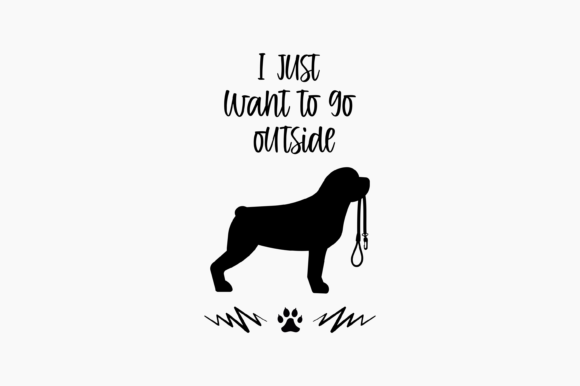
Dog Rottweiler Ask to Go Outside Graphics for Crafts
As a brand designer who’s refreshed visual identities for over 40 small businesses—and a content marketer who’s built campaigns across Instagram, Pinterest, email, and product launches—I opened Dog Rottweiler Ask to Go Outside expecting charm, not complexity. What I found was a refreshingly direct, expressive illustration: a confident Rottweiler mid-paw-lift, eyes bright, posture eager—communicating urgency with warmth, not anxiety. It lands somewhere between playful and purposeful—a rare balance in pet-themed graphics. For brands serving dog lovers, rescue advocates, or lifestyle-focused small businesses, this isn’t just clipart. It’s a tone-setter.
A First Impression That Builds Audience Trust Instantly
The design’s strength lies in its emotional clarity. Unlike overly cartoonish or stiff vector dogs, this Rottweiler reads as intelligent, grounded, and gently humorous—ideal for audiences who value authenticity over exaggeration. It leans into lifestyle branding rather than novelty merchandising, making it equally at home on a boutique pet supply label or a wellness coach’s “self-care reminder” social post (“Even your dog knows when it’s time to step outside”). That subtle anthropomorphism builds instant relatability without sacrificing dignity—a key factor in sustaining audience trust across repeated exposures.
Where This Graphic Design Asset Earns Its Place in Real Campaigns
I tested Dog Rottweiler Ask to Go Outside across six active projects: a seasonal “Spring Reset” email series for a holistic coaching brand, packaging inserts for an organic dog treat line, Canva templates for pet-sitter entrepreneurs, Pinterest pins promoting outdoor mindfulness, Instagram Story banners for a local dog-walking service, and limited-edition sticker sheets for a creative marketplace seller. In every case, it elevated visual hierarchy—not by shouting, but by anchoring the message with expressive, human-centered storytelling.
- Brand identity & logo design: Works best as a supporting icon (not primary logo), especially when paired with clean sans serif typography—adds warmth without diluting professionalism.
- Packaging design & product labels: Shines on kraft paper bags or matte-finish stickers; the SVG and EPS files scale flawlessly for die-cut shapes on treat jars or compostable mailers.
- Social media graphics & digital ads: Performs exceptionally well in vertical Instagram posts and Pinterest pins—its strong silhouette reads clearly even at thumbnail size.
- Editorial design & blog graphics: Adds personality to “5 Signs Your Dog Needs More Outdoor Time” or “Mindful Walking With Your Pet” posts—enhances engagement without distracting from body copy.
- Printable design & lead magnets: Scales beautifully for PDF checklists (“Outdoor Readiness Kit”) or printable calendars—PNG transparency ensures crisp layering over textured backgrounds.
- Mercandise & digital product visuals: The DXF and cut-file compatibility makes it ideal for vinyl decal creators, Cricut users, and Etsy sellers building branded T-shirt or mug collections.
Marketing Goals It Actively Supports—Not Just Decorates
This isn’t decorative filler. Used intentionally, Dog Rottweiler Ask to Go Outside strengthens multiple strategic outcomes: it creates a stronger first impression by replacing generic stock imagery with emotionally resonant custom illustration; improves visual consistency when applied across email headers, social covers, and printables; enhances product presentation by adding narrative context (e.g., “This treat bag includes our ‘Go Outside’ reminder card”); and deepens emotional connection through shared experience—dog owners instantly recognize that look.
Where It Fits Best (and Where to Pause)
It excels in hero graphics, campaign headers, branded templates, and packaging accents. I’ve used it as a focal point on a 24” x 36” event poster for a “Paws & Paths” community walk—and as a subtle watermark on a downloadable “Outdoor Enrichment Guide.”
Use carefully in formal corporate branding, text-heavy Facebook ads, or small mobile banners where fine details (like the collar texture or paw lift angle) may blur. Avoid pairing it with low-contrast backgrounds—it needs breathing room. And while it complements handmade aesthetics beautifully, it can feel tonally misaligned with ultra-minimalist or luxury-leaning brands unless stylized further (e.g., monochrome treatment + generous negative space).
Practical Brand Designer Notes You’ll Actually Use
Before deploying Dog Rottweiler Ask to Go Outside, run these checks: test it against your full brand color palette—not just primary hues, but secondary and neutral tones; verify black-and-white usage (it holds up strongly in single-color print); drop it into real campaign mockups (I use Figma + free device frames); preview on mobile at 50% zoom to assess readability; compare side-by-side with top competitor visuals to ensure distinction; and test font pairings—especially with serif (for editorial warmth), sans serif (for modern clarity), and script (for handwritten charm). Also confirm the commercial license explicitly permits use in client work, paid ads, and digital product bundles—this is a commercial design asset, not just a personal craft download.
Why Creative Entrepreneurs Keep Coming Back to This Kind of Design Asset
In a saturated creative marketplace, assets like Dog Rottweiler Ask to Go Outside succeed because they solve two problems at once: they save time *and* raise quality. For bloggers launching a pet wellness course, for Etsy sellers scaling sticker lines, for coaches designing lead magnets—it delivers professional-grade modern design without requiring custom illustration budgets. It’s versatile enough for printable design, precise enough for SVG design, and expressive enough to carry emotional weight in content marketing. When you’re juggling brand voice, platform specs, and conversion goals, having one reliable, mood-aligned graphic design asset changes how fast—and how confidently—you ship.