Roger That Tennis Player Tennis Coach
First Impression: Playful, Punchy, and Ready for the Court
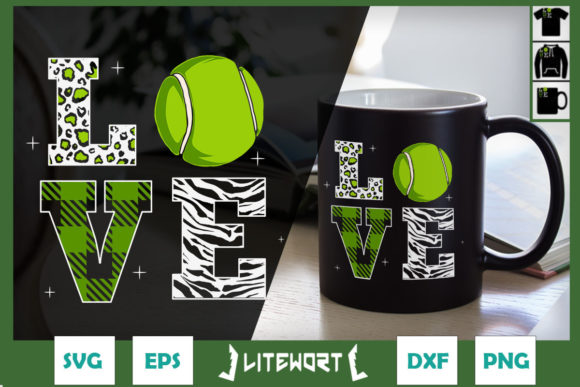
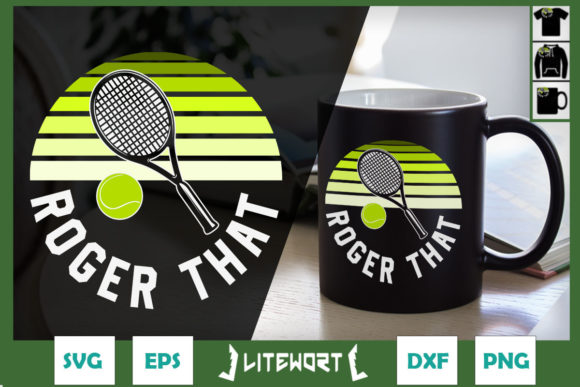
When I opened Roger That Tennis Player Tennis Coach for the first time, I didn’t see just another sports-themed graphic—I saw a confident, slightly cheeky personality that lands somewhere between vintage tennis postcard and modern boutique branding. The composition is clean and centered, with bold lettering balanced by a stylized tennis racket and ball. It’s not overly detailed, but it’s got weight—good line integrity, intentional spacing, and a rhythm that suggests movement without clutter. As an embroidery designer who’s stitched hundreds of text-plus-icon designs, I immediately sensed this would translate well to satin stitch outlines and crisp fill areas. It feels like a design made *for* real projects—not just for screen display.
A Real-World Test: Embroidering It on a Linen-Cotton Tote Bag
Last week, I used Roger That Tennis Player Tennis Coach for a custom order: a 14” x 16” natural linen-cotton tote for a local tennis academy’s summer camp giveaway. I chose a medium-weight cutaway stabilizer and tested three thread color combos—navy on cream, kelly green on white, and charcoal on oat. All worked, but navy on cream gave the strongest visual pop without looking harsh. The design held up beautifully at 4.2” wide (my standard tote placement), with no bleeding or distortion in the “R” or the racket handle. The letterforms stayed legible, and the ball’s circular fill stitch didn’t pucker—thanks to moderate stitch density and open negative space around key elements. Customers loved the finished product: it looked handmade but polished, not cartoonish or generic.
Where It Shines—and Where It Needs Thought
Roger That Tennis Player Tennis Coach excels on stable, medium-to-heavy fabrics: sweatshirt fleece, canvas totes, denim jackets, cotton aprons, and structured pillow covers. It reads clearly at 3.5”–5.5”, making it ideal for embroidered patches, cap fronts, and baby onesies (paired with soft tear-away stabilizer). For Etsy sellers, it’s a smart addition to a “sports lover” bundle—especially when paired with coordinating monograms or minimalist court-line accents.
That said, I’d approach it carefully on stretchy knits like t-shirts or lightweight jersey. The horizontal word layout can distort if hooping isn’t precise, and the small “O” in “Roger” may lose definition without proper underlay. On dark fabric, avoid light thread unless you’re using topping—but the included PNG file makes mockup prep easy. And while it works on curved surfaces like caps, I’d reduce size to 3.25” max and verify stitch path flow before committing to production runs.
Design Integrity in Practice
What sets Roger That Tennis Player Tennis Coach apart from similar graphics is its intentional simplicity. There’s no over-rendered shading, no fragile serifs, no tiny decorative flourishes that vanish under thread. That means fewer dropped stitches, less re-hooping, and higher consistency across batches—critical for craft businesses turning out 20+ identical items for a boutique or school fundraiser. As a digital embroidery file, it bridges print and stitch: the SVG and EPS files scale cleanly for laser-cut applique templates, while the PNG gives reliable preview fidelity for printable mockups or social media listings.
I also appreciate how it supports brand cohesion. Whether you’re embroidering a coach’s personalized sweatshirt or a set of holiday tea towels for a tennis-themed gift shop, the design carries tone without shouting. It feels professional but warm—like something a customer would proudly carry, wear, or gift—not just tolerate.
Practical Designer Notes Before You Stitch
- Always test Roger That Tennis Player Tennis Coach on scrap fabric matching your final project’s weight and stretch.
- Check stitch density in the letter “G” and racket strings—if they feel too dense for your fabric, adjust underlay or reduce fill angle.
- Confirm hoop size compatibility; the design fits comfortably in a 5” x 7” hoop, but verify your machine’s native format support.
- Inspect small details in black-and-white mockups—contrast matters more than color when stitching.
- Use appropriate stabilizer: cutaway for knits, tear-away for stable wovens, and topping for napped or textured fabrics like terry cloth.
- Review licensing terms before selling finished products or bundling the digital embroidery file—you’ll need clear commercial rights for Etsy or wholesale use.
Final Thoughts for Crafters and Creative Entrepreneurs
Roger That Tennis Player Tennis Coach isn’t flashy—but it’s reliable. In a market saturated with overdesigned, low-stitch-count graphics, it stands out by respecting the craft: it assumes you know how to hoop, stabilize, and choose thread, and rewards that knowledge with clean results. It works equally well as a standalone embroidered patch or as part of a larger Crafts collection—think tennis-themed nursery decor, custom team gear, or even wedding favors for sporty couples.
If you’re an Etsy seller building a cohesive Graphics shop, this design pairs naturally with subtle court-line borders or minimalist trophy icons. If you’re a small shop owner sourcing embroidered merchandise, it adds recognizable charm without sacrificing quality perception. And if you’re a hobbyist stitching gifts? It delivers that satisfying “I made this” pride—without hours of troubleshooting.
In short: Roger That Tennis Player Tennis Coach earns its place in your embroidery project queue—not because it’s trendy, but because it’s thoughtfully built for real use, real fabric, and real people who love the game.